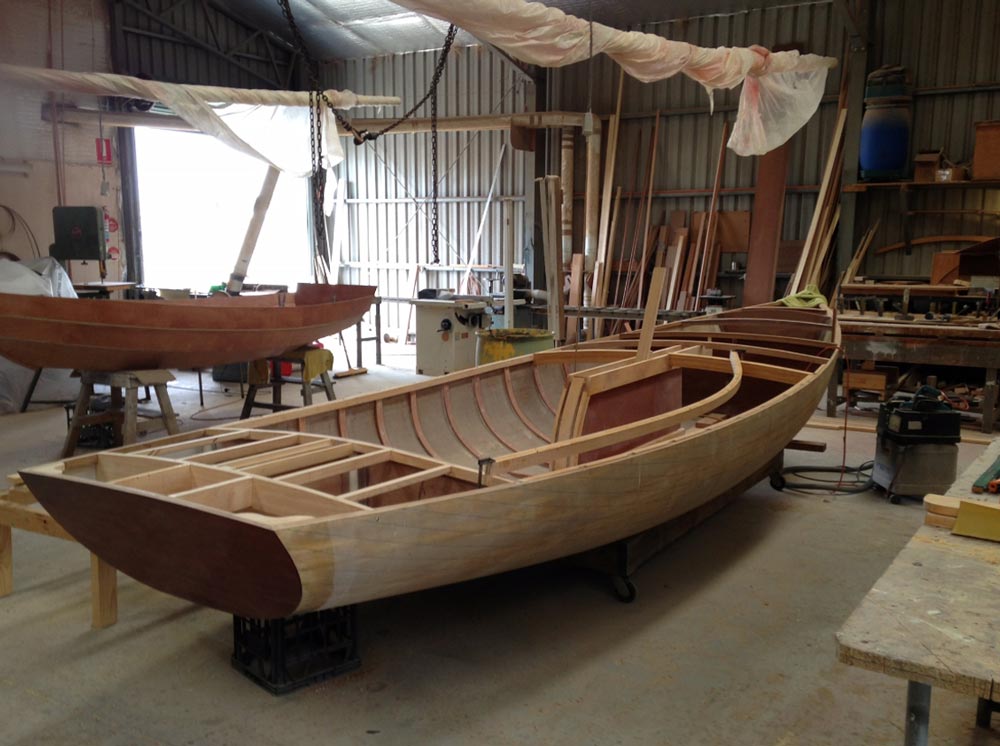
Constructing a Duck Boat: A Comprehensive Guide to Affordability and Quality
For avid duck hunters and outdoor enthusiasts, possessing a reliable duck boat is paramount. However, the cost of purchasing a pre-made boat can be prohibitive. This guide outlines a comprehensive approach to crafting a sturdy and functional duck boat using readily available, affordable materials. By combining practical knowledge with meticulous craftsmanship, you can build a boat that meets your needs and surpasses expectations.
Choosing the Right Materials
The foundation of a successful duck boat lies in selecting the appropriate materials. Prioritize durability, affordability, and ease of workability. Consider the following options:
Hull Construction
- Marine Plywood: This versatile material offers strength and water resistance. Opt for plywood rated for marine use, ensuring longevity.
- Aluminum: Lightweight and corrosion-resistant, aluminum is an excellent choice for hulls, especially in harsh environments. It may require specialized welding expertise.
- Fiberglass: Fiberglass provides exceptional durability and watertightness. Layering fiberglass cloth with resin creates a robust and flexible hull.
Deck and Seating
- Pressure-Treated Lumber: Durable and resistant to rot and decay, pressure-treated wood is suitable for decks, benches, and other structural components.
- Marine-Grade Plywood: Similar to hull construction, marine plywood offers water resistance and strength for decks and seating.
- Aluminum: Lightweight and corrosion-resistant, aluminum can be used for decks and seating, offering a sleek and durable finish.
Hardware and Accessories
- Marine-Grade Fasteners: Use stainless steel screws, bolts, and rivets for corrosion resistance and long-lasting performance.
- Epoxy Resin: A versatile adhesive that strengthens joints, seals seams, and protects wood from water damage.
- Paint: Choose marine-grade paint that provides protection from UV rays, salt water, and wear and tear.
Design Considerations
Before embarking on construction, carefully consider the design aspects of your duck boat. This involves determining the size, shape, and features that best suit your needs and intended use.
Size and Shape
- Length and Beam: The length and width of the boat dictate its capacity and stability. Consider the number of hunters, gear, and intended waters.
- Hull Shape: V-shaped hulls offer stability and maneuverability in choppy waters, while flat-bottomed hulls excel in shallow waters.
Features
- Decks: Include decks for standing and accessing the boat, providing stability and safety.
- Storage: Integrate storage compartments for gear, ammunition, and other essentials.
- Seats: Provide comfortable and secure seating options for hunters.
- Motor Mount: If you intend to use a motor, ensure a sturdy and secure mount.
- Blind: For concealment and hunting success, consider incorporating a blind or camouflage design.
Building the Duck Boat
With materials selected and design finalized, you can begin construction. This process involves several key steps, each demanding precision and attention to detail.
Hull Construction
- Cutting and Shaping: Accurately cut and shape the hull components based on your design plans. Use power tools for efficiency and precision.
- Assembling the Hull: Join the hull components using marine-grade fasteners, epoxy resin, or appropriate adhesives. Ensure a watertight seal.
- Adding Stringers and Frames: Construct stringers and frames to support the hull and maintain its shape. These internal reinforcements provide strength and rigidity.
- Fiberglassing (if applicable): Apply layers of fiberglass cloth and resin to the hull, creating a durable and waterproof exterior.
Deck and Seating Construction
- Cutting and Shaping: Cut and shape the deck and seating components based on your design plans. Use power tools for efficiency and precision.
- Assembling the Deck: Join the deck components using marine-grade fasteners, epoxy resin, or appropriate adhesives. Ensure a watertight seal.
- Installing Seating: Securely attach seats to the deck, ensuring comfort and stability.
- Adding Storage: Construct and install storage compartments for gear and supplies.
Final Touches
- Finishing: Sand and prime the boat's surfaces to prepare for paint.
- Painting: Apply multiple coats of marine-grade paint for protection and a durable finish.
- Hardware Installation: Install all hardware components, including motor mount, oarlocks, and other accessories.
Safety and Maintenance
After completing construction, prioritize safety and proper maintenance for optimal performance and longevity.
Safety
- Life Jackets: Always wear approved life jackets while on the water.
- Navigation Lights: Equip your boat with proper navigation lights for visibility at night.
- Weather Conditions: Be aware of weather forecasts and avoid boating in hazardous conditions.
- Safety Equipment: Carry a first-aid kit, flares, and other essential safety equipment.
Maintenance
- Regular Inspections: Inspect the boat regularly for signs of damage, leaks, or loose hardware.
- Cleaning and Drying: Clean the boat after each use and ensure it dries completely to prevent mold and mildew.
- Storage: Store the boat in a dry, well-ventilated area when not in use.
- Repairing Damage: Promptly repair any damage to prevent further deterioration.
Conclusion
By following this comprehensive guide, you can construct a durable and functional duck boat using affordable materials. Remember, meticulous planning, precision craftsmanship, and prioritizing safety are essential for a successful project. Enjoy the thrill of hunting and exploring the waters in your custom-built duck boat, a testament to your dedication and ingenuity.

0 comments:
Post a Comment
Note: Only a member of this blog may post a comment.