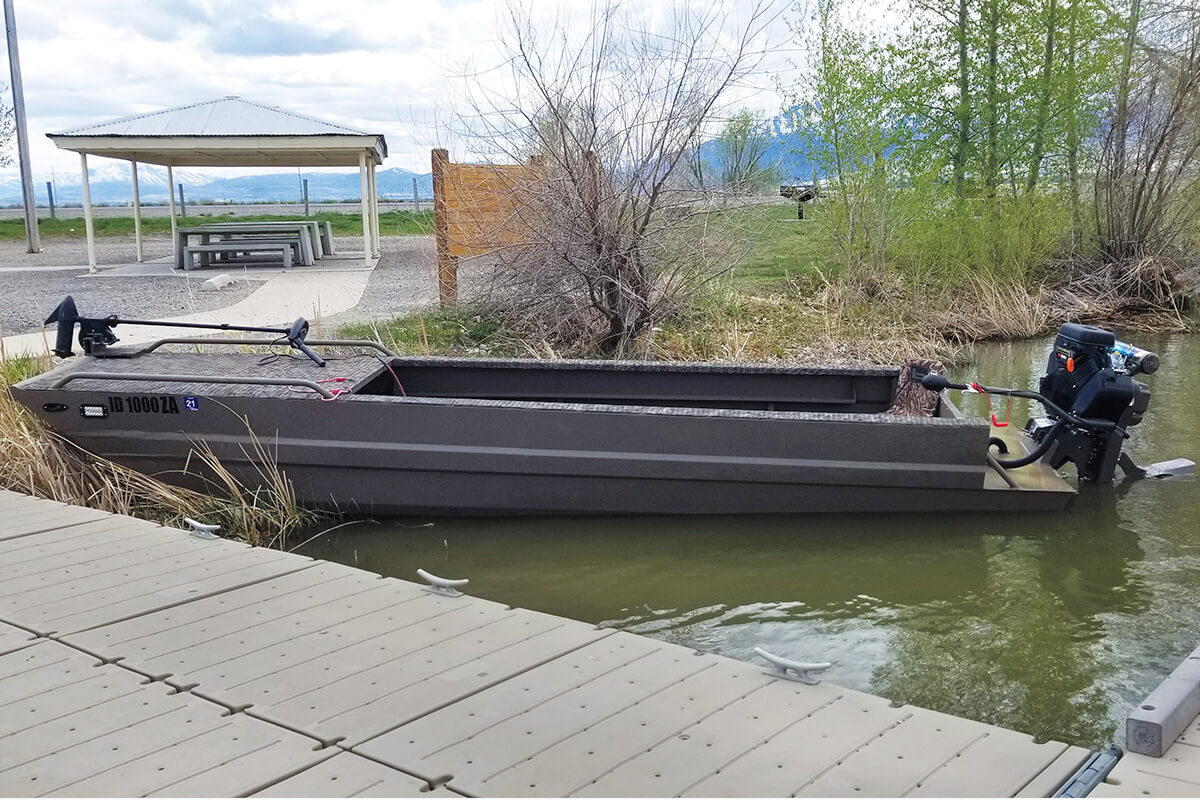
Essential Materials for Crafting a Sturdy and Lightweight Duck Boat
Duck boats, or more accurately, small, lightweight boats for hunting, fishing, or simply exploring tranquil waters, are a popular choice for outdoor enthusiasts. Their maneuverability and portability make them perfect for navigating shallows and carrying gear without much hassle. Building your own duck boat can be a rewarding and cost-effective project, but choosing the right materials is crucial for ensuring its sturdiness, lightness, and durability. This guide will walk you through the essential materials you'll need to build a safe and reliable duck boat.
The Foundation: The Hull
The hull, the core of your boat, is where you'll need to make a smart choice. You have a few options, each with its pros and cons:
1. Aluminum: The Classic Choice
Aluminum has been a go-to material for duck boats for years, and for good reason. It's lightweight, corrosion-resistant, and relatively easy to work with. However, aluminum can be susceptible to dents and scratches, and it can get noisy on the water. If you're looking for a lightweight, affordable option, aluminum is a solid choice.
2. Fiberglass: Strong and Durable
Fiberglass is a popular choice for boat hulls because it's incredibly strong and resistant to damage. You can mold fiberglass into various shapes, allowing for a more streamlined design. However, fiberglass is heavier than aluminum and requires more specialized tools and skills to work with. Fiberglass also requires a layer of gelcoat to provide a smooth finish and protect the fiberglass from UV damage.
3. Polyethylene: Lightweight and Low-Maintenance
Polyethylene, a type of plastic, is increasingly popular for building duck boats. It's incredibly lightweight, durable, and resistant to scratches and dents. Polyethylene is also a good insulator, making it comfortable in both hot and cold weather. However, polyethylene is not as easily repaired as aluminum or fiberglass.
The best hull material for you will depend on your individual needs and priorities. Consider factors like:
- Your budget
- The type of water you'll be navigating
- Your desired weight
- Your level of experience with boatbuilding
Keeping It Afloat: The Deck
The deck is what you'll walk on and where you'll store your gear. You have a few options for the deck material:
1. Plywood: A Reliable Choice
Marine-grade plywood is a popular choice for boat decks because it's strong, lightweight, and relatively inexpensive. It can be easily cut to fit your design and it offers a solid platform for your boat.
2. Aluminum: Lightweight and Durable
Aluminum can also be used for the deck. It's even more lightweight than plywood and extremely durable. However, aluminum can be more challenging to work with and may be more expensive than plywood. Aluminum can also be cold in cold weather.
3. Fiberglass: Durable and Smooth
Fiberglass can also be used to make a deck, offering a very strong and smooth surface. Fiberglass is also very durable and can be easily shaped to create custom features. Fiberglass is more expensive than plywood, but it offers superior durability and a very smooth surface.
Moving Power: The Motor
Duck boats typically use small outboard motors for propulsion. When choosing a motor, consider:
- Horsepower: The amount of power you need will depend on the size of your boat and the type of water you'll be navigating. A 2-4 hp motor is typically sufficient for small duck boats.
- Weight: You'll want a motor that is light enough to easily carry and maneuver.
- Fuel Efficiency: Smaller motors tend to be more fuel-efficient, which is important for extended trips.
- Reliability: Look for a motor with a good reputation for reliability and durability.
The Extras: Adding Comfort and Functionality
Once you have the basics covered, you can add features to enhance your duck boat experience:
1. Seating
For comfort, install seats. Aluminum or wood benches, or even folding chairs, are all good options. Ensure the seats are sturdy and secure to prevent them from moving around while you're on the water.
2. Storage
Include storage compartments to hold your gear. You can build in built-in storage compartments or use waterproof bags or boxes.
3. Gunwale
Adding a gunwale, a protective strip along the edge of the boat, adds both safety and functionality. It can also be used to attach accessories.
4. Blinds
If you're hunting, a blind will help you conceal yourself from your target. Blinds can be made from various materials, such as brush, canvas, or even camo netting.
Finishing Touches: Paint and Protection
Once your boat is assembled, you'll want to protect it from the elements and give it a great look.
1. Paint
Use a high-quality marine paint that is resistant to UV rays, salt water, and abrasion.
2. Sealant
Apply a sealant to protect your boat from water damage. Sealant helps prevent water from penetrating the wood or aluminum.
Commonly Asked Questions
Q: What tools do I need to build a duck boat?
A: You'll need basic woodworking and metalworking tools, including a saw, drill, sander, and measuring tape.
Q: How much does it cost to build a duck boat?
A: The cost of building a duck boat will vary depending on the materials you choose and the complexity of the design. A simple, basic boat can be built for a few hundred dollars, while a more elaborate boat can cost thousands.
Q: Where can I find plans for building a duck boat?
A: You can find plans for building duck boats online, in books, and at boatbuilding stores.
Q: How long does it take to build a duck boat?
A: The time it takes to build a duck boat will depend on your skill level and the complexity of the design. A simple boat can be built in a few weeks, while a more elaborate boat can take several months.

0 comments:
Post a Comment
Note: Only a member of this blog may post a comment.