Building a Powerboat for Safe and Fun Water Activities
Venturing onto the open water in your own powerboat is a dream shared by many. Building your own powerboat not only offers a sense of accomplishment but also allows you to customize it to perfectly suit your needs and preferences. This comprehensive guide will walk you through the process of building a powerboat, ensuring both safety and fun on the water.
Planning and Design
Before diving into construction, meticulous planning is crucial. Start by clearly defining the purpose of your boat. Are you looking for a leisurely cruising experience, high-speed thrills, or fishing adventures?
Boat Type and Size
Consider the size, shape, and type of boat that best aligns with your intended use. Small, open boats are perfect for fishing or leisurely outings, while larger, enclosed boats offer more space and protection from the elements. Research different hull designs, such as V-hulls, flat-bottomed hulls, and catamarans, to understand their characteristics and suitability for your needs.
Materials and Budget
Choose your materials wisely, balancing cost, durability, and weight. Fiberglass is a popular choice due to its strength, lightness, and affordability. Other options include aluminum, wood, and even inflatable materials. Develop a realistic budget, factoring in the cost of materials, tools, and any professional assistance you may need.
Construction Phase
With your design finalized, you can begin the construction phase. This involves assembling the hull, deck, and other structural components.
Building the Hull
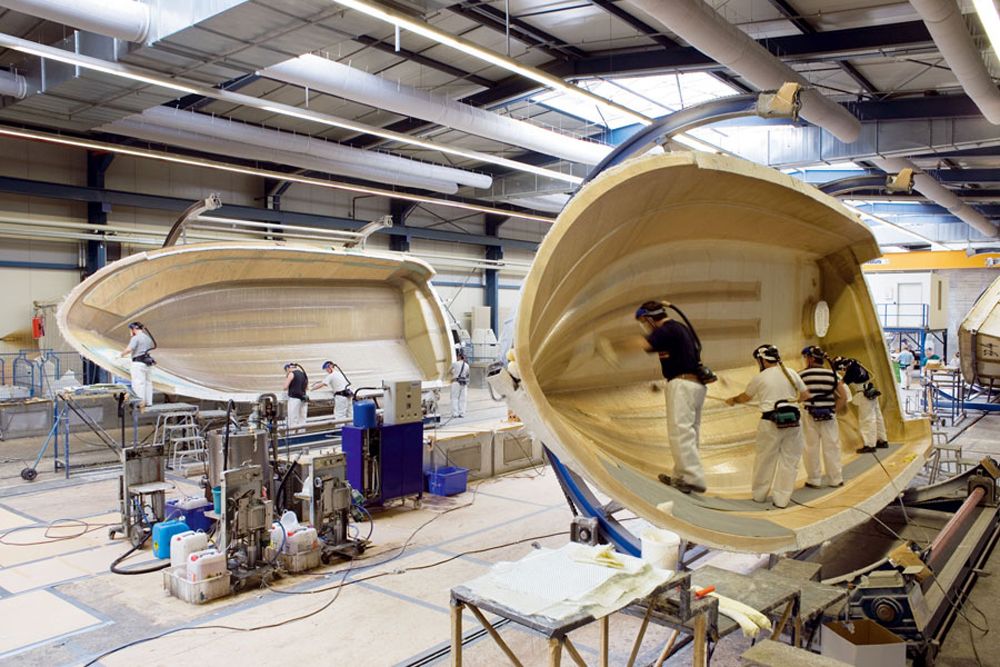
The hull is the foundation of your boat. If using fiberglass, carefully lay up layers of resin-soaked fiberglass cloth onto a mold. Allow each layer to cure completely before adding the next. For wooden hulls, use strong, marine-grade plywood and fasten the planks using epoxy or marine-grade adhesives.
Deck Construction
The deck provides structure and walking space. Build the deck framework using wood or aluminum and then cover it with your chosen material. Ensure proper drainage for any water that may accumulate on the deck.
Engine Installation
Choose an engine that fits your boat’s size and intended use. Install the engine according to the manufacturer’s instructions, paying close attention to alignment and secure mounting. Consider the placement of the engine to ensure proper weight distribution and optimal performance.
Safety and Regulations
Building a safe powerboat is paramount. Adhere to all applicable boating regulations and safety standards.
Essential Safety Equipment
Equip your boat with essential safety gear, including:
Navigation and Licensing
Familiarize yourself with boating rules and regulations, including navigation laws, speed limits, and licensing requirements. Obtain any necessary licenses and registrations for your boat and engine.
Finishing Touches and Testing
Once the construction is complete, add finishing touches like paint, hardware, seating, and instrumentation.
Testing and Refinement
Before venturing out onto the water, perform thorough testing in a controlled environment. Make sure the engine runs smoothly, the boat handles well, and all systems are functioning correctly. Refine the design and performance based on your testing results.
Enjoy Your New Powerboat
With your powerboat built and safety measures in place, you’re ready to experience the thrill of cruising on the water. Remember to always prioritize safety and boat responsibly.

0 comments:
Post a Comment
Note: Only a member of this blog may post a comment.