Friday, November 22, 2024

Duck Boat Materials: How to Combine Functionality with Aesthetics

Duck Boat Materials: How to Combine Functionality with Aesthetics

Duck Boat Materials: How to Combine Functionality with Aesthetics

Building a duck boat is a fun and challenging project that requires careful consideration of the materials used. The right materials will ensure your boat is durable, efficient, and aesthetically pleasing. Let's dive into the details!

Hull Materials: The Foundation of Your Duck Boat

The hull of your duck boat is the most important aspect. It's what keeps you afloat and provides the stability you need to navigate the water. Here are some of the most popular hull materials:

Aluminum

Aluminum is a popular choice for duck boat hulls because it's lightweight, durable, and corrosion-resistant. It's also relatively easy to work with, making it ideal for DIY boat builders. However, aluminum can be noisy, which might not be ideal if you're trying to stay stealthy on the water. It's also susceptible to denting, so you'll need to handle it with care.

Fiberglass

Fiberglass is another common choice for duck boat hulls. It's strong, lightweight, and relatively inexpensive. Fiberglass is also very versatile, allowing you to create complex shapes for your boat. One downside is that fiberglass can be difficult to repair if it gets damaged. It also requires specialized tools and skills for fabrication.

Polyethylene (Plastic)

Polyethylene, or plastic, is becoming increasingly popular for duck boat hulls. It's extremely durable, resistant to dents and scratches, and requires minimal maintenance. Plastic boats are also very affordable and are typically made in rotomolded molds, ensuring a consistent and high-quality product. The downside of plastic is that it can be less maneuverable compared to aluminum or fiberglass, and it may not be as easily customized.

Wood

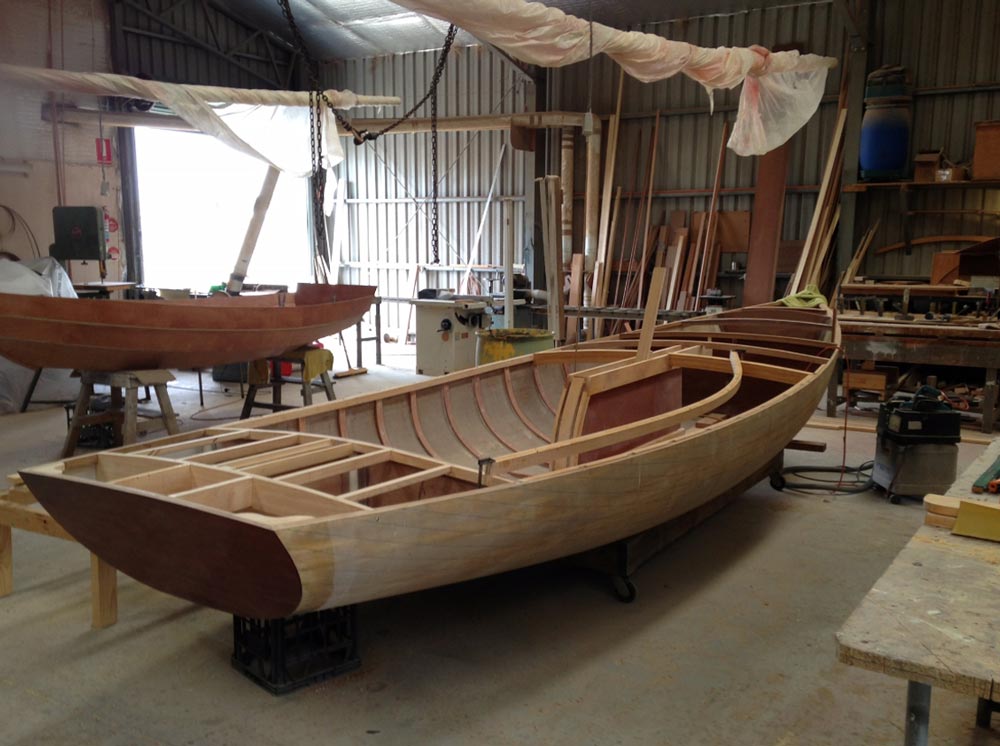
While less common for modern duck boats, wood can still be a beautiful and durable choice for a hull. Wooden boats offer a classic look and can be extremely strong and stable. However, wood requires extensive maintenance to prevent rot and damage, and it's often more expensive than other options. Wooden duck boats require skilled craftsmanship and are usually built for specific purposes, such as historic replicas or custom-made boats.

Deck Materials: Functionality and Aesthetics

The deck of your duck boat is where you'll be spending most of your time, so it's important to choose a material that's comfortable, durable, and easy to clean. Here are some popular deck materials:

Aluminum

Aluminum decks are sturdy, durable, and easy to maintain. They are also easy to clean and resist rust. However, aluminum can be slippery when wet, so you'll need to take precautions or incorporate non-slip materials.

Fiberglass

Fiberglass decks can be molded into various shapes and offer a smooth surface. They are also relatively lightweight and easy to maintain. However, fiberglass can be slippery when wet, so it's essential to consider non-slip coatings or textured surfaces.

Marine Plywood

Marine plywood is a durable and moisture-resistant option for duck boat decks. It's also relatively inexpensive and easy to work with. Marine plywood can be painted or stained to match your boat's aesthetics, but it requires regular sealing and maintenance to prevent rot and damage.

PVC-Coated Fabric

PVC-coated fabric is a lightweight, waterproof, and durable option for duck boat decks. It's also easy to clean and resistant to mildew. While PVC fabric can be a good choice for specific needs, it might not be as durable as other materials, and it can be susceptible to punctures or tears.

Accessories and Features: Enhancing Your Duck Boat

Once you've decided on your hull and deck materials, you can start thinking about the accessories and features that will make your duck boat functional and aesthetically pleasing.

Blinds and Camouflage

Blinds and camouflage are essential for duck hunting. They help you to stay hidden from your quarry and increase your chances of a successful hunt. Blinds can be made from various materials, including wood, metal, and fabric, and they can be either permanent or portable. Camouflage can be applied to your boat using paint, vinyl wrap, or other methods.

Seats and Storage

Comfortable seats are essential for long days on the water. You can choose from a variety of styles and materials, including swivel seats, bench seats, and folding chairs. Storage is also important for keeping your gear organized and dry. You can install storage compartments, boxes, and shelves in your boat to suit your needs.

Lighting and Electronics

Proper lighting is essential for safe navigation, especially during low-light conditions. You can install navigation lights, spotlights, and even underwater lights to help you see in the dark. Electronics, such as depth finders, GPS units, and fish finders, can also enhance your duck hunting experience. Make sure you choose electronics that are compatible with your boat's electrical system.

Balancing Functionality and Aesthetics

Building a duck boat that is both functional and aesthetically pleasing is all about finding the right balance. You need to consider the materials you choose, the accessories you install, and the overall design of your boat. Here are some tips:

  • Choose materials that are both durable and aesthetically pleasing. For example, you might choose aluminum for the hull, which is lightweight and durable, and marine plywood for the deck, which can be stained or painted to match your aesthetic preferences.
  • Consider the overall design of your boat. Do you want a sleek and modern look or something more traditional? There are many different duck boat designs to choose from, so take your time and find one that you love.
  • Pay attention to detail. Even small details can make a big difference in the overall look of your boat. For example, you might choose high-quality hardware, such as handles, latches, and cleats. You might also choose a paint scheme or a vinyl wrap that complements your boat's design.
  • Commonly Asked Questions

    How much does it cost to build a duck boat?

    The cost of building a duck boat can vary widely, depending on the materials you choose, the size of the boat, and the features you install. A basic aluminum duck boat can cost anywhere from $1,000 to $5,000, while a more complex fiberglass boat can cost $5,000 to $15,000 or more.

    What are the best materials for a duck boat?

    The best materials for a duck boat will depend on your individual needs and preferences. Aluminum is a durable and affordable option, while fiberglass is stronger and more versatile. Polyethylene is extremely durable and requires minimal maintenance. Wood is a beautiful and traditional option, but it requires extensive maintenance.

    Where can I find plans for building a duck boat?

    You can find plans for building a duck boat online, in boating magazines, and at boatbuilding supply stores. There are also many books and videos available that provide detailed instructions on building a duck boat.

    Can I build a duck boat myself?

    Yes, you can build a duck boat yourself. However, it's important to have some basic boatbuilding skills and to carefully follow the plans. If you're not comfortable with boatbuilding, you can hire a professional to build your boat for you.

    Building a duck boat is a rewarding and challenging experience. By carefully considering the materials you choose, the features you install, and the overall design of your boat, you can create a functional and aesthetically pleasing boat that will last for years to come. Happy building!

    Wooden Duck Boat Plans for Building a Family-Friendly Craft

    Wooden Duck Boat Plans for Building a Family-Friendly Craft

    Wooden Duck Boat Plans for Building a Family-Friendly Craft

    This comprehensive guide provides detailed plans and considerations for constructing a safe and enjoyable wooden duck boat, a perfect family project that combines craftsmanship with recreational opportunities. The design prioritizes stability, simplicity of construction, and aesthetic appeal, making it suitable for both novice and experienced woodworkers.

    I. Design Considerations and Specifications

    The success of any boat-building project hinges on careful planning and consideration of key design elements. This section outlines the critical aspects of the duck boat design, emphasizing practicality and safety for family use.

    A. Hull Design and Dimensions

    The proposed duck boat design employs a simple, stable, and inherently buoyant hull form. The dimensions are carefully chosen to accommodate a family of four comfortably, while remaining manageable for construction and transportation. The overall length will be approximately 12 feet, with a beam (maximum width) of 4 feet. A shallow draft of approximately 6 inches is incorporated to allow navigation in shallow waters and facilitate beach landings. The hull shape will be a modified flat bottom with gently curved sides, providing stability without sacrificing speed. This design minimizes the risk of capsizing, a critical factor in family-oriented craft.

    B. Material Selection

    The choice of wood is paramount. Marine-grade plywood is recommended due to its resistance to rot and water damage. A thickness of ½ inch is sufficient for the hull sides and bottom, while ¾ inch plywood can be used for the transom (rear support structure) and structural reinforcements. Exterior-grade plywood is acceptable if treated with several coats of high-quality marine varnish for enhanced water resistance. All wood should be thoroughly inspected for knots or imperfections that could compromise structural integrity. Use only high-quality marine-grade adhesives and fasteners to ensure durability.

    C. Seating and Stability

    The duck boat will feature two integrated benches running along the sides of the boat, providing comfortable seating for four adults. The benches will be constructed from the same marine-grade plywood as the hull and securely fastened to the frame for maximum stability. Adding a small, removable center seat can be considered, increasing seating capacity to five. To further enhance stability, consider adding flotation chambers within the hull. These can be constructed using closed-cell foam or other suitable buoyant material.

    D. Propulsion and Steering

    The boat's propulsion will be primarily human-powered, utilizing either oars or a small electric trolling motor. The design accommodates both, with oarlocks integrated into the gunwales (side edges) and a mounting plate for an electric motor on the transom. An electric motor offers a more relaxed paddling experience, particularly suitable for families with younger members. Oars provide a more traditional and exercise-oriented approach.

    II. Construction Steps: A Detailed Guide

    The following steps provide a detailed outline for the construction process. Accuracy and meticulous attention to detail are crucial for a safe and durable boat.

    A. Hull Construction

    1. Cut the plywood sheets: Using precise measurements based on the provided plans, cut the plywood pieces for the hull bottom and sides. This step requires careful use of a circular saw or table saw, ensuring square cuts for optimal fit.
    2. Assemble the bottom: Join the bottom panels using marine-grade adhesive and screws, ensuring a watertight seal. Clamps should be used to maintain pressure during the curing time of the adhesive.
    3. Attach the sides: Attach the side panels to the bottom, again using marine-grade adhesive and screws. This step is particularly important for structural integrity and requires careful alignment.
    4. Reinforcements: Add internal supports and stringers (longitudinal supports) for additional structural strength. These should be strategically placed to reinforce stress points and improve the boat's overall rigidity.

    B. Transom Construction

    1. Cut and assemble: Cut the plywood pieces for the transom according to the plan specifications. Assemble them, ensuring a strong and square structure.
    2. Attach to the hull: Securely fasten the transom to the stern (rear) of the hull using robust screws and adhesive. This connection is critical for supporting the motor (if used) and maintaining the boat's shape.

    C. Seating and Finishing

    1. Construct the benches: Cut and assemble the plywood for the benches, ensuring they are securely attached to the hull sides and are comfortable for sitting.
    2. Sanding and finishing: Thoroughly sand all surfaces to a smooth finish. Apply multiple coats of high-quality marine varnish or paint, allowing each coat to dry completely before applying the next. This will protect the wood from water damage and enhance the boat's aesthetics.

    D. Installation of Oarlocks and Motor Mount (Optional)

    1. Oarlocks: Install oarlocks according to the manufacturer’s instructions. Ensure they are securely fastened to the gunwales.
    2. Motor Mount: If using an electric trolling motor, install the mounting plate securely to the transom. Make sure the motor is properly aligned before use.

    III. Safety Precautions and Considerations

    Safety should always be the top priority when working with tools and using a boat. The following points highlight essential safety considerations for both the construction and operation of the duck boat:

  • Always wear appropriate safety gear, including eye protection and hearing protection, when using power tools.
  • Ensure proper ventilation when working with adhesives and finishes.
  • Use caution when handling sharp tools.
  • Always wear a personal flotation device (PFD) when operating the boat.
  • Never overload the boat beyond its recommended capacity.
  • Check weather conditions before launching the boat and avoid operating in rough water.
  • Always supervise children closely when they are near or in the boat.
  • Inspect the boat regularly for any signs of damage or deterioration.
  • Building a wooden duck boat is a rewarding project that creates a lasting family heirloom. By following these detailed plans and adhering to safety guidelines, you can create a safe, durable, and enjoyable vessel for countless hours of family fun on the water. Remember to adapt these plans to your specific needs and skill level, and always prioritize safety throughout the entire process.

    Fishing Boat Plans for Simple, Lightweight, and Fast Builds

    Fishing Boat Plans for Simple, Lightweight, and Fast Builds

    Fishing Boat Plans for Simple, Lightweight, and Fast Builds

    Building your own fishing boat is a rewarding endeavor that combines skilled craftsmanship with the thrill of creating a vessel tailored to your specific needs. For those seeking a quick, lightweight, and simple construction process, various fishing boat plans cater to these aspirations. This article will delve into the world of fishing boat plans, highlighting those designed for effortless construction while delivering a sturdy and efficient craft.

    Choosing the Right Plan

    Before embarking on your boat-building journey, it's crucial to select a plan that aligns with your skills, resources, and intended use. Consider the following factors:

    Boat Type

    There's a wide array of fishing boat designs, each tailored to a specific purpose. Popular options include:

    • Skiff: Simple, shallow-draft boats perfect for navigating shallow waters and fishing in small lakes or rivers.
    • Jon boat: Flat-bottomed, versatile boats ideal for fishing, hunting, and general utility.
    • Dinghy: Small, inflatable or rigid-hulled boats primarily used as tenders or for recreational paddling.
    • Pontoon boat: Stable, platform-style boats featuring buoyant pontoons, offering a spacious and comfortable fishing experience.

    Boat Length and Capacity

    The length of your boat determines its stability, carrying capacity, and speed. Consider the number of anglers you plan to accommodate and the type of fishing gear you'll be carrying.

    Construction Materials

    Popular construction materials for lightweight boats include:

    • Plywood: Durable, readily available, and relatively inexpensive, making it a suitable choice for beginners.
    • Aluminum: Lightweight, corrosion-resistant, and strong, offering excellent longevity.
    • Fiberglass: Versatile and adaptable, but requires more experience and specialized equipment.
    • PVC: Flexible and affordable, ideal for inflatables and smaller boats.

    Simple and Fast Build Plans

    Here are some notable fishing boat plans known for their straightforward construction processes:

    The "Skiff 12"

    This plan, often available from reputable boat plan providers, features a 12-foot skiff designed for simplicity and ease of building. Its shallow draft allows for navigating shallow waters, making it perfect for small lakes, rivers, and estuaries. The Skiff 12 is typically constructed using plywood and epoxy resin, offering durability and affordability.

    The "Jon Boat 14"

    For a larger and more versatile option, the Jon Boat 14 provides an excellent platform for fishing and general utility. The plan often includes detailed instructions for constructing a sturdy 14-foot Jon boat using plywood and fiberglass. Its flat bottom makes it stable for standing and casting, while its open design offers ample space for fishing gear and passengers.

    The "Dinghy 8"

    For those seeking a lightweight and portable option, the Dinghy 8 offers a simple and efficient design. Often constructed using PVC inflatable tubes and a lightweight aluminum frame, it's easy to transport and assemble, making it ideal for recreational paddling and small-scale fishing. The Dinghy 8's compact size allows for storage in tight spaces and easy maneuverability.

    Essential Construction Considerations

    While these plans are designed for ease of construction, certain fundamental principles are crucial for building a safe and durable boat:

    Materials Selection

    Choose high-quality materials that meet the requirements outlined in the plan. Avoid using substandard lumber or components that could compromise the boat's structural integrity. Consult with experts or experienced boatbuilders for recommendations on specific materials for your chosen design.

    Accurate Measurements

    Precise measurements are paramount in boat construction. Utilize accurate measuring tools and double-check your dimensions throughout the building process. Even small errors can accumulate, affecting the overall shape and watertightness of the boat.

    Proper Joining Techniques

    Select appropriate joining methods for the materials you're using. Techniques like epoxy bonding, screw fastening, or riveting should be executed with care and precision. Consult with boatbuilding resources or professionals for guidance on best practices for your specific design.

    Watertight Construction

    Ensure that all seams and joints are properly sealed and waterproof. Apply generous layers of epoxy resin or sealant to prevent leaks and maintain the integrity of the boat's hull.

    Safety Features

    Include necessary safety features in your boat design. This may include life jackets, a fire extinguisher, a navigation light, and a bilge pump. Refer to boating regulations and safety guidelines for specific requirements.

    Conclusion

    Building your own fishing boat is a rewarding experience that allows you to create a custom vessel tailored to your needs. By choosing simple and fast build plans, you can make the construction process more manageable while still achieving a sturdy and efficient boat. Remember to prioritize the selection of high-quality materials, accurate measurements, proper joining techniques, and necessary safety features. With careful planning and attention to detail, you can embark on a thrilling journey of boatbuilding and enjoy the fruits of your labor on the water.

    How to Make a Duck Boat with Affordable, Quality Materials

    How to Make a Duck Boat with Affordable, Quality Materials

    Constructing a Duck Boat: A Comprehensive Guide to Affordability and Quality

    For avid duck hunters and outdoor enthusiasts, possessing a reliable duck boat is paramount. However, the cost of purchasing a pre-made boat can be prohibitive. This guide outlines a comprehensive approach to crafting a sturdy and functional duck boat using readily available, affordable materials. By combining practical knowledge with meticulous craftsmanship, you can build a boat that meets your needs and surpasses expectations.

    Choosing the Right Materials

    The foundation of a successful duck boat lies in selecting the appropriate materials. Prioritize durability, affordability, and ease of workability. Consider the following options:

    Hull Construction

    • Marine Plywood: This versatile material offers strength and water resistance. Opt for plywood rated for marine use, ensuring longevity.
    • Aluminum: Lightweight and corrosion-resistant, aluminum is an excellent choice for hulls, especially in harsh environments. It may require specialized welding expertise.
    • Fiberglass: Fiberglass provides exceptional durability and watertightness. Layering fiberglass cloth with resin creates a robust and flexible hull.

    Deck and Seating

    • Pressure-Treated Lumber: Durable and resistant to rot and decay, pressure-treated wood is suitable for decks, benches, and other structural components.
    • Marine-Grade Plywood: Similar to hull construction, marine plywood offers water resistance and strength for decks and seating.
    • Aluminum: Lightweight and corrosion-resistant, aluminum can be used for decks and seating, offering a sleek and durable finish.

    Hardware and Accessories

    • Marine-Grade Fasteners: Use stainless steel screws, bolts, and rivets for corrosion resistance and long-lasting performance.
    • Epoxy Resin: A versatile adhesive that strengthens joints, seals seams, and protects wood from water damage.
    • Paint: Choose marine-grade paint that provides protection from UV rays, salt water, and wear and tear.

    Design Considerations

    Before embarking on construction, carefully consider the design aspects of your duck boat. This involves determining the size, shape, and features that best suit your needs and intended use.

    Size and Shape

    • Length and Beam: The length and width of the boat dictate its capacity and stability. Consider the number of hunters, gear, and intended waters.
    • Hull Shape: V-shaped hulls offer stability and maneuverability in choppy waters, while flat-bottomed hulls excel in shallow waters.

    Features

    • Decks: Include decks for standing and accessing the boat, providing stability and safety.
    • Storage: Integrate storage compartments for gear, ammunition, and other essentials.
    • Seats: Provide comfortable and secure seating options for hunters.
    • Motor Mount: If you intend to use a motor, ensure a sturdy and secure mount.
    • Blind: For concealment and hunting success, consider incorporating a blind or camouflage design.

    Building the Duck Boat

    With materials selected and design finalized, you can begin construction. This process involves several key steps, each demanding precision and attention to detail.

    Hull Construction

    • Cutting and Shaping: Accurately cut and shape the hull components based on your design plans. Use power tools for efficiency and precision.
    • Assembling the Hull: Join the hull components using marine-grade fasteners, epoxy resin, or appropriate adhesives. Ensure a watertight seal.
    • Adding Stringers and Frames: Construct stringers and frames to support the hull and maintain its shape. These internal reinforcements provide strength and rigidity.
    • Fiberglassing (if applicable): Apply layers of fiberglass cloth and resin to the hull, creating a durable and waterproof exterior.

    Deck and Seating Construction

    • Cutting and Shaping: Cut and shape the deck and seating components based on your design plans. Use power tools for efficiency and precision.
    • Assembling the Deck: Join the deck components using marine-grade fasteners, epoxy resin, or appropriate adhesives. Ensure a watertight seal.
    • Installing Seating: Securely attach seats to the deck, ensuring comfort and stability.
    • Adding Storage: Construct and install storage compartments for gear and supplies.

    Final Touches

    • Finishing: Sand and prime the boat's surfaces to prepare for paint.
    • Painting: Apply multiple coats of marine-grade paint for protection and a durable finish.
    • Hardware Installation: Install all hardware components, including motor mount, oarlocks, and other accessories.

    Safety and Maintenance

    After completing construction, prioritize safety and proper maintenance for optimal performance and longevity.

    Safety

    • Life Jackets: Always wear approved life jackets while on the water.
    • Navigation Lights: Equip your boat with proper navigation lights for visibility at night.
    • Weather Conditions: Be aware of weather forecasts and avoid boating in hazardous conditions.
    • Safety Equipment: Carry a first-aid kit, flares, and other essential safety equipment.

    Maintenance

    • Regular Inspections: Inspect the boat regularly for signs of damage, leaks, or loose hardware.
    • Cleaning and Drying: Clean the boat after each use and ensure it dries completely to prevent mold and mildew.
    • Storage: Store the boat in a dry, well-ventilated area when not in use.
    • Repairing Damage: Promptly repair any damage to prevent further deterioration.

    Conclusion

    By following this comprehensive guide, you can construct a durable and functional duck boat using affordable materials. Remember, meticulous planning, precision craftsmanship, and prioritizing safety are essential for a successful project. Enjoy the thrill of hunting and exploring the waters in your custom-built duck boat, a testament to your dedication and ingenuity.

    Wooden Fishing Boat Plans for Building a Sturdy Boat on a Budget

    Wooden Fishing Boat Plans for Building a Sturdy Boat on a Budget

    Wooden Fishing Boat Plans for Building a Sturdy Boat on a Budget

    For those seeking the thrill of fishing and the satisfaction of crafting a vessel with their own hands, building a wooden fishing boat can be a rewarding and fulfilling endeavor. This comprehensive guide will provide you with detailed insights into crafting a sturdy and reliable fishing boat, while also ensuring you can stay within a manageable budget.

    Choosing the Right Wooden Fishing Boat Design

    The first step in your boat-building journey is selecting the ideal design for your fishing needs. Consider the following factors:

    Boat Length and Beam

    The length and beam of your boat will dictate its stability, carrying capacity, and maneuverability. For small, inshore fishing, a length of 12-16 feet with a beam of 4-6 feet is generally suitable. Larger boats offer more space and can handle rougher waters, but come with increased construction complexity and cost.

    Hull Type

    Common hull types for fishing boats include:

    • V-Hull: Offers excellent stability and a smooth ride in choppy waters.
    • Round Bottom: Suitable for calm waters and shallower depths, providing a gentle ride and ease of maneuverability.
    • Catamaran: Provides exceptional stability due to its twin hulls, making it ideal for fishing in rough conditions or with multiple anglers.

    Fishing Style

    Determine your preferred fishing method to choose a design that complements your style. For trolling or casting, a boat with a wide deck and ample storage is beneficial. For fly fishing, a lightweight, nimble boat with a shallow draft is advantageous.

    Understanding Wooden Boat Construction

    Wooden boat building involves several fundamental techniques:

    Frame Construction

    The frame provides the structural foundation of the boat. It typically consists of ribs, stringers, and keel, all joined using traditional wooden boatbuilding methods like scarfing or splicing.

    Planking

    Planks are fastened to the frame, forming the boat's outer shell. Common plank materials include cedar, mahogany, and marine plywood.

    Fasteners and Adhesives

    Properly chosen fasteners and adhesives are critical for a strong and watertight hull. Bronze or stainless steel screws, bolts, and epoxy resin are commonly used.

    Essential Tools and Materials

    To embark on your wooden boat building project, you'll need a selection of essential tools and materials:

    Tools

    • Hand tools: Saws, planes, chisels, hammers, measuring tapes, levels, and marking tools.
    • Power tools: Drill, jigsaw, belt sander, router, and electric planer.
    • Boatbuilding tools: Steam bending tools, caulking tools, and boatbuilding clamps.

    Materials

    • Lumber: Select quality marine-grade plywood, cedar, or mahogany for planking, ribs, and stringers.
    • Fasteners: Bronze or stainless steel screws, bolts, and nails.
    • Adhesives: Epoxy resin for bonding and sealing.
    • Marine paint: Primers, anti-fouling paint, and topcoats for protection and aesthetics.

    Step-by-Step Guide to Building Your Wooden Fishing Boat

    Follow these detailed steps to construct your wooden fishing boat:

    Step 1: Gather Plans and Materials

    Choose reliable plans for your boat design. Purchase or source high-quality lumber, fasteners, adhesives, and paint based on the specifications in the plans.

    Step 2: Construct the Frame

    Begin by building the keel, which forms the backbone of the boat. Cut and shape the ribs and stringers, then attach them to the keel using scarfing or splicing techniques. Ensure all joints are properly fitted and secured.

    Step 3: Install the Planking

    Carefully cut and fit the planks to the frame. Use screws or bolts for fastening, and seal all joints with epoxy resin. Maintain consistent plank spacing for a smooth hull.

    Step 4: Add Interior Features

    Install bulkheads for compartmentalization, add seating, and create storage areas. Consider the placement and size of the seats and storage compartments based on your fishing preferences.

    Step 5: Finish the Hull

    Once the planking is complete, sand the hull smooth to eliminate any imperfections. Apply a primer to prepare the surface for paint. Choose a suitable marine paint for protecting the wood from moisture and the elements.

    Step 6: Install Hardware and Rigging

    Install essential hardware such as cleats, handles, and oarlocks. If your boat will have an outboard motor, mount the transom bracket and install the motor.

    Step 7: Launch and Enjoy!

    After completing the construction and adding finishing touches, launch your boat and enjoy the fruits of your labor. Remember to perform regular maintenance to ensure the longevity of your wooden masterpiece.

    Tips for Building a Budget-Friendly Boat

    Building a wooden fishing boat can be an enjoyable and cost-effective endeavor with careful planning and resourcefulness.

    • Seek Affordable Materials: Look for discounted lumber at local lumberyards or online retailers. Consider using reclaimed or salvaged wood for specific components.
    • Buy in Bulk: Purchasing materials in bulk can lead to significant savings, especially for screws, adhesives, and paint.
    • Utilize Hand Tools: While power tools can speed up the process, many tasks can be accomplished using traditional hand tools, reducing overall project costs.
    • Learn DIY Techniques: Master basic woodworking skills like planing, shaping, and fastening to minimize reliance on costly professional services.

    Conclusion

    Building your own wooden fishing boat is a challenging yet immensely rewarding endeavor. By following the guidance in this article, you can create a sturdy and reliable vessel while staying within a reasonable budget. The satisfaction of crafting your own boat and embarking on fishing adventures will make the entire journey truly memorable.

    Where to Find Free Plans for Building a Traditional Wooden Boat

    Where to Find Free Plans for Building a Traditional Wooden Boat

    Where to Find Free Plans for Building a Traditional Wooden Boat

    The allure of building a wooden boat from scratch is undeniable. It’s a chance to connect with a rich maritime tradition, learn valuable woodworking skills, and create a beautiful and unique vessel. But before you start chopping lumber and shaping planks, you'll need a plan. Fortunately, there are many resources available online that offer free boat plans, allowing you to embark on this fulfilling journey without breaking the bank.

    Online Resources

    The internet is a treasure trove of free boat plans, catering to various skill levels and boat styles. Here are some excellent places to start your search:

    Websites Dedicated to Boat Building

    • The Wooden Boat Forum: This forum boasts a vibrant community of boat builders who share plans, tips, and support. Many members offer free plans for their own creations, allowing you to access a wide range of designs.
    • Boat Plans: This website specializes in providing free boat plans, categorized by boat type and length. You'll find designs for everything from small dinghies to larger sailboats.
    • Classic Boat Plans: For those interested in building traditional designs, this website offers a collection of free plans for classic wooden boats like rowboats, skiffs, and dories.

    Public Libraries and Archives

    Many public libraries and archives house collections of historical boat plans. These plans can be invaluable resources, offering insights into traditional shipbuilding techniques and designs. Check your local library's online catalog or contact the archives department for information on available plans.

    Historical Societies and Museums

    Historical societies and museums dedicated to maritime history often possess collections of original boat plans. These institutions may offer access to their plans for research or educational purposes. Contact these organizations to inquire about their collections and any potential access options.

    Tips for Choosing Free Plans

    With so many options available, it's crucial to choose plans that align with your skill level, available resources, and desired boat type. Consider these factors:

    • Complexity: Choose plans appropriate for your woodworking experience. Beginners might opt for simpler designs, while experienced builders can tackle more intricate projects.
    • Boat Size and Type: Determine the size and type of boat that best suits your needs and available space for building and storage.
    • Material Availability: Ensure the plans specify materials easily obtainable in your area.
    • Detailed Instructions: Look for plans that include comprehensive instructions, drawings, and specifications.

    Beyond the Plans

    Free plans provide a solid foundation, but building a wooden boat is a demanding endeavor. It requires meticulous attention to detail, accurate measurements, and a thorough understanding of woodworking techniques. Consider seeking guidance from experienced boat builders, joining local boatbuilding clubs, or enrolling in workshops to enhance your skills and ensure success.

    Free Wooden Sailboat Plans for Compact, Lightweight Designs

    Free Wooden Sailboat Plans for Compact, Lightweight Designs

    Free Wooden Sailboat Plans for Compact, Lightweight Designs

    Embark on a captivating nautical adventure with a handcrafted wooden sailboat, a testament to timeless craftsmanship and the thrill of sailing. The allure of building your own vessel lies not only in the end product but also in the journey of creation, a rewarding experience that blends artistry, technical skill, and a deep connection with the sea. This article delves into the world of free wooden sailboat plans, focusing on compact and lightweight designs, perfect for novice boat builders and those seeking a manageable yet elegant sailing experience.

    Navigating the vast sea of online resources can be daunting, but we've compiled a selection of reliable sources offering free sailboat plans, ensuring you have a solid foundation for your project. These plans, meticulously crafted by experienced boat designers, provide detailed blueprints, material specifications, and construction guides, empowering you to build a functional and aesthetically pleasing sailboat.

    The Allure of Compact, Lightweight Sailboats

    Compact and lightweight sailboats offer several advantages, making them ideal choices for beginners, solo sailors, and those seeking portability and ease of handling:

    • Maneuverability and Portability: Their smaller size and lighter weight make them easier to launch, maneuver, and transport, allowing for greater flexibility in exploring diverse waterways.
    • Cost-Effectiveness: The use of lightweight materials and simplified construction can significantly reduce build costs, making these boats more accessible to aspiring boat builders.
    • Ease of Construction: Simpler designs require less complex woodworking skills and offer a gentler learning curve for novice boat builders.
    • Sustainable Approach: Using reclaimed wood and eco-friendly materials aligns with sustainable practices, minimizing environmental impact.

    Exploring Free Wooden Sailboat Plans

    The internet offers a treasure trove of free sailboat plans, catering to various skill levels and design preferences. To assist you in your search, we've curated a selection of reputable sources offering a range of compact and lightweight sailboat plans:

    Boat Plans Online

    Boat Plans Online is a comprehensive platform dedicated to providing boat building resources, including a vast collection of free sailboat plans. Their curated library features designs suitable for both beginners and experienced builders, with a focus on classic and traditional styles. You can filter plans by type, size, and construction materials to refine your search.

    The Wooden Boat Forum

    The Wooden Boat Forum is a vibrant online community dedicated to the art of wooden boat building. Members actively share their knowledge, plans, and construction experiences, offering a wealth of resources and support for aspiring boat builders. The forum houses a dedicated section for free plans, including a variety of compact and lightweight designs.

    Duckworks Boat Plans

    Duckworks Boat Plans is a renowned provider of boat designs, offering a mix of free and paid plans. Their free plan section includes several captivating compact sailboat designs, known for their simplicity and elegance. Duckworks is particularly well-regarded for its detailed instructions and easy-to-follow plans, catering to both novice and experienced builders.

    Classic Boat Plans

    Classic Boat Plans specializes in providing free plans for classic wooden boats, including a selection of small sailboats. Their plans often feature traditional designs, harking back to the golden age of sailing. You can find plans for dinghies, skiffs, and other compact boats, perfect for those seeking a nostalgic sailing experience.

    Boat Design Net

    Boat Design Net is a comprehensive online resource offering a wealth of information and plans for boat builders. Their free plan section includes a variety of sailboat designs, including some compact and lightweight options. While their free plans may not be as extensive as other sources, they offer a good starting point for your search.

    Essential Considerations for Choosing a Plan

    Selecting the right sailboat plan is crucial for a successful build. Here are some essential considerations to guide your decision:

    • Skill Level: Evaluate your woodworking experience and comfort level with the complexity of the design. Choose plans that align with your skillset, starting with simpler designs if you are a novice.
    • Intended Use: Consider how you plan to use your sailboat â€" for leisurely day sailing, racing, or exploring coastal waters. Select a design that meets your specific needs and sailing style.
    • Materials: Factor in the availability and cost of materials when choosing a plan. Some designs may require specific wood types or components, influencing your overall budget.
    • Construction Time: Consider the time commitment involved in building your sailboat. Some designs are quicker to assemble than others, impacting your overall project timeline.
    • Budget: Set a realistic budget for your project, taking into account materials, tools, and any potential assistance. The chosen plan should align with your financial constraints.

    Building Your Wooden Sailboat

    Once you've selected a plan, the building process can be broken down into distinct stages:

    Materials and Tools

    Gather the necessary materials and tools based on the specific plan requirements. These typically include:

    • Wood: Marine-grade plywood, cedar, oak, or other suitable wood for the hull, spars, and deck.
    • Hardware: Fasteners, hinges, cleats, blocks, and other fittings.
    • Sailcloth: High-quality sailcloth for the sails, chosen based on your intended use and sailing conditions.
    • Tools: Hand tools, power tools, clamps, sanding equipment, and other necessary tools for woodworking.

    Construction Steps

    Follow the detailed instructions provided in your chosen plan. The process typically involves:

    • Cutting and Shaping: Accurately cut and shape the wood components according to the plans.
    • Assembly: Join the components together using the specified techniques, such as epoxy bonding, screws, or dowels.
    • Finishing: Sand and varnish the hull and deck for a durable and aesthetically pleasing finish.
    • Rigging: Install the masts, rigging, sails, and other essential components.
    • Launching and Testing: Carefully launch your sailboat and test its performance before venturing out on longer journeys.

    Resources and Support

    Building a sailboat can be a challenging but rewarding project. Utilize available resources and support to enhance your experience and ensure a successful build:

    • Online Forums: Engage with online communities of boat builders for advice, tips, and troubleshooting assistance.
    • Local Boat Clubs: Connect with local boat clubs for access to workshops, experienced builders, and potential sailing partners.
    • Books and Tutorials: Consult woodworking books, boat building guides, and online tutorials to expand your knowledge and skills.

    Conclusion

    Building a wooden sailboat is an extraordinary journey of creativity and skill. The allure of free sailboat plans lies in their accessibility, allowing you to embark on this fulfilling endeavor without significant financial constraints. Whether you're a novice or an experienced boat builder, choosing a compact and lightweight design offers a manageable and enjoyable experience. With careful planning, meticulous execution, and a touch of nautical passion, you can craft a beautiful and functional wooden sailboat that will transport you to countless nautical adventures. So, raise your spirits, set sail, and discover the joy of building and sailing your own handcrafted vessel.